Wrong parallel
Same player, year, set and grade can still be a different market when the parallel or variation changes.
Identity before valuation
A sports-card decision can look data-driven and still rest on the wrong parallel, a stale sale, one thin comp, or a best-case grade assumption. Evidence Lab teaches you what deserves confidence—and what does not.
NEW IN THE LAB
Asking prices, unpaid sales, wrong parallels, buyer’s premiums and fees: what a price can’t tell you, with a worked example.
Price matters only after identity, sale provenance, and relevance pass review. The wrong comparison can make a risky deal look safe.
TEST A BUSTED COMPEVIDENCE FILTER
Evidence Lab makes the filtering visible: candidate comparisons enter, mismatches are rejected, and only qualified evidence is allowed to support the decision.
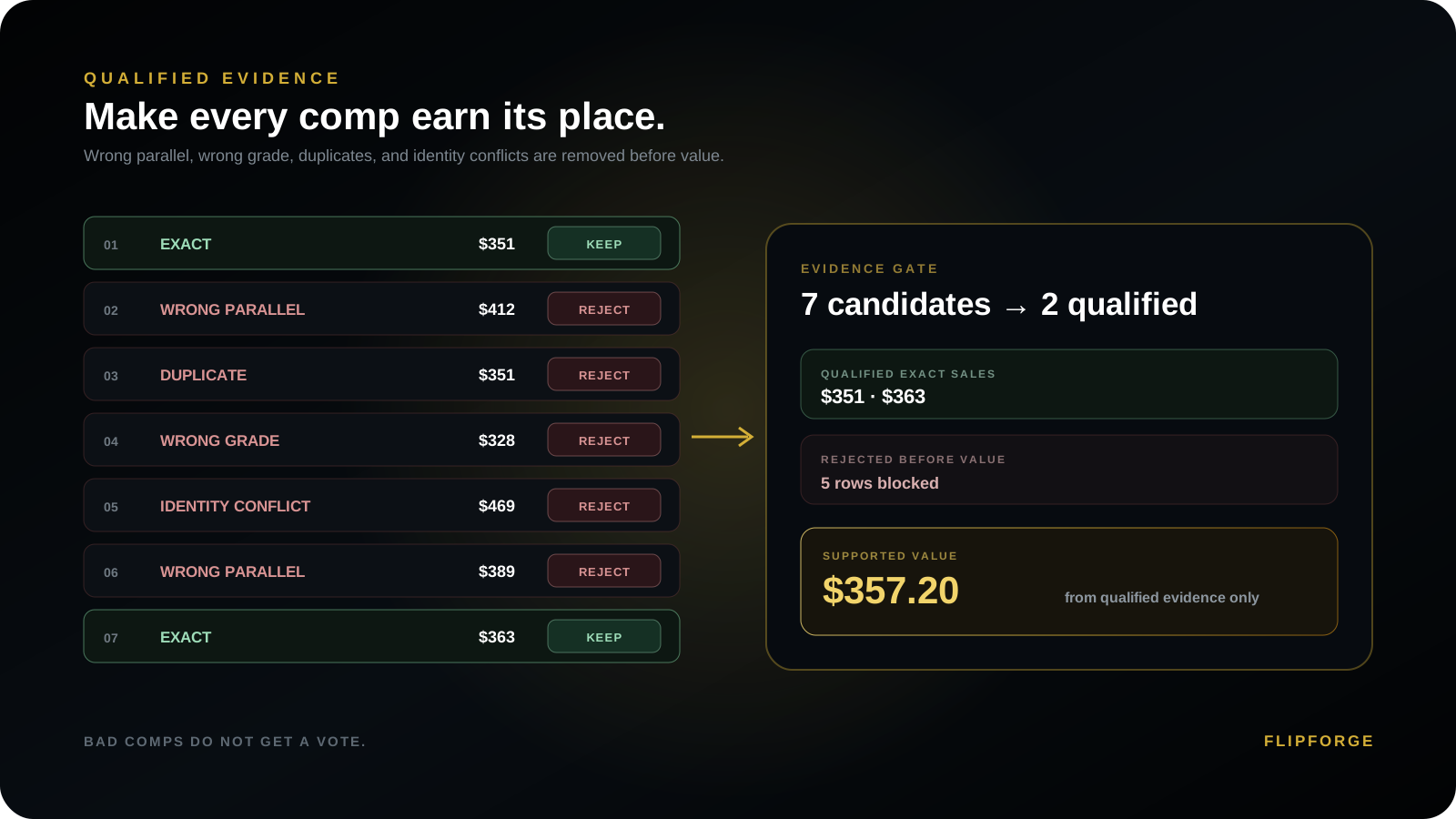
False Confidence is the gap between how certain a sports-card price looks and how much the evidence actually deserves to support the decision.
Same player, year, set and grade can still be a different market when the parallel or variation changes.
Identity before valuationA reported completed sale can still mislead when the market around the decision has materially moved.
Timing changes relevanceOne exact dollar amount is still one observation. Precision is not the same thing as support.
One sale is not certaintyA PSA 10 headline can dominate the decision while realistic lower-grade outcomes erase the apparent edge.
Model more than best caseEach case starts with a number that looks useful. The lesson is the evidence rule that determines whether it actually belongs.
The decision needs evidence from the same card identity and grade lane.
Not if the $900 record is a different parallel. Similar-looking cards cannot silently become the same market.
One exact sale feels authoritative. It may be useful, but a single observation should not manufacture confidence the evidence base does not deserve.
Thin evidence stays thinThe premium looks huge. Model lower-grade probabilities, raw opportunity cost, grading cost and liquidity before calling the upside real.
Expected value over headline valueThe sale was reported. The timing is wrong. An older completed sale may no longer represent the market around today’s decision.
Reported does not always mean relevantA seller can ask anything. Active listings are useful context, but they are never substituted for governed completed-sale evidence.
Asking price is contextNumbered does not automatically mean liquid. Scarcity needs market context when neighboring parallels compete for the same collector demand.
Scarce is not the same as liquidFlipForge can be sophisticated underneath while the customer keeps a clear mental model.
Identity before valuation. Year, set, card number, parallel, variation, grader and grade must belong to the target before price evidence gets a vote.
Card firstExact, context and excluded evidence stay distinct. A nearby card can be useful context without being allowed to support the exact value.
Separate evidence lanesVERIFY is better than manufactured certainty. When evidence conflicts, the correct decision can be to stop and confirm what is still unresolved.
Preserve uncertaintyThe original decision stays fixed. Later governed evidence tests what held, what failed and where confidence needs recalibration.
Review whether the original evidence and market conditions still support the saved reasoning.
Stress changes in supported value, liquidity, evidence strength and risk without rewriting history.
Compare the thesis with later evidence and preserve what held, what failed and what remains uncertain.
Those are often the best ones to challenge. Before you buy. Know Why.
Try the identity challenge, then use FlipForge on your own listing when you are ready.
Get a short monthly note on spotting misleading card prices, plus FlipForge beta updates.